Trending

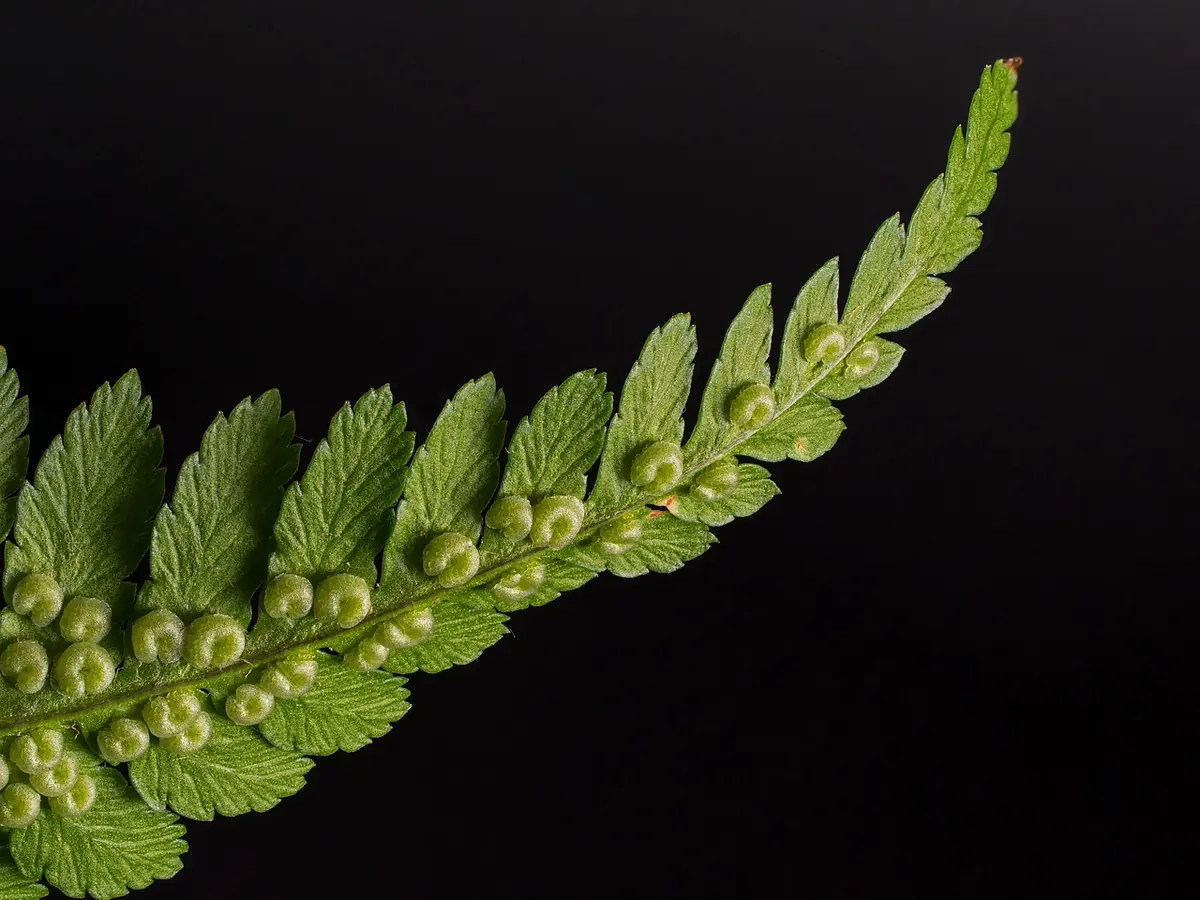
Few things look more disheartening than a fern that was lush last month and now has frond tips like burnt paper. The good news is that this is rarely a mystery disease. Brown, brittle tips almost always come down to the same mismatch: the roots can't pull water up fast enough to replace what the leaves are losing to the air. Correct that balance and new fronds will unfurl clean. The existing damage won't heal, but that matters far less than it feels like it does.
Ferns are thin-leaved by design. Unlike a rubber plant or a fiddle-leaf fig, they have very little waxy cuticle to slow water loss, because in the wild they grow in damp, shaded places where that protection isn't needed. Indoors, it's needed constantly. The tips of each frond are the furthest point from the roots, so when supply falters they're the first place to suffer, and the crisp line creeps backwards along the leaf from there.
Two things cause that: air that's too dry, or roots that can't keep up. Often both at once. Occasionally the cause is neither, and it's water quality, salt build-up or pests instead. Working through it in order saves a lot of guesswork.
Before you buy a humidifier, check the soil. Almost every crispy fern I've seen has had a watering problem underneath the humidity problem.
Rhythm matters as much as quantity. Little and often is worse than a proper soak followed by a partial dry-down. Aim to water when the surface has dried but the compost just below is still cool and slightly damp — roughly once a week in summer, less in winter.
Ferns generally want 50–60% relative humidity. Most heated homes sit well below that in winter, and a radiator can halve the humidity within a metre of it.
Move the fern off the windowsill above a radiator and away from the hot updraught — a metre of distance makes a real difference. Group it with other plants; the shared moisture they transpire lifts the humidity in that small pocket of air. If the room is large and dry, a small humidifier running for a few hours a day is the only reliable fix.
These are usually the easiest rooms in the house, provided there's some natural light. A fern that sulks in a hallway often thrives on a bathroom windowsill. In the kitchen, keep it clear of the hob and the oven, where sudden heat will scorch fronds.
Cooler and often drier, with poorer light. If a fern is sitting somewhere it never receives bright, indirect light, no amount of extra humidity will stop the tips crisping — it simply can't photosynthesise enough to maintain itself.
Ways to raise humidity, ranked by how much they actually help:
Tap water contains dissolved minerals, and in hard water areas that means plenty of calcium. Some ferns, Boston ferns in particular, are sensitive to it, and the result is browning tips even when humidity is fine. Rainwater is the best option if you can collect it; otherwise use filtered water, and flush the compost with plenty of plain water every few months to wash accumulated salts through the pot.
Feeding is where well-meaning growers do damage. Ferns are light feeders, and fertiliser salts collect at the edges of the rootball — precisely where the compost dries first and where the finest roots sit. That burns the roots and shows up as crisp tips. Feed at half the recommended strength, only during spring and summer, and only when the plant is actively pushing out new fronds. Never feed a dry, struggling fern; water it first, then wait a week.
Direct midday sun scorches thin fronds, and the damage begins at the tips and edges — easy to mistake for dryness. Bright, indirect light or a spot near an east or north-facing window suits most ferns. Cold draughts from a door or a poorly sealed window in winter strip moisture just as effectively as dry air, as does the blast from a fan heater or air conditioning. Move the plant rather than trying to adjust the whole room. Give it a little space, too; a fern wedged behind a door gets poor air movement, which encourages problems of its own.
Look closely at the undersides of the fronds. Brown bumps that scrape off are scale; fine webbing and a mottled, dusty look suggest spider mite. Both thrive in dry air, and both cause browning and tip dieback. On a lightly affected plant you can remove scale by hand with a damp cloth or a cotton bud. A heavy infestation on a large fern is often not worth fighting.
If humidity, watering and feeding are all sensible and the tips still crisp, slide the plant out of its pot and look at the rootball. Firm, pale roots are healthy. Brown, mushy, smelly roots mean overwatering and possibly root rot. A dense mat of roots circling the pot means the fern is pot-bound and drying out faster than you can keep up with; move it into a pot one size larger in spring.
Brown tissue will never turn green again, so trim it off with clean, sharp scissors. Cut back to where the frond is still green, angling the cut to follow the natural shape of the leaf so the tip doesn't look blunt. If a whole frond is brown, cut it at the base — ferns send up new fronds from the crown, and removing dead growth redirects energy.
Then be patient. In the growing season, expect new fronds within four to eight weeks. The real test isn't how the plant looks today but how the next fronds unfurl: if their tips come through soft and clean, you've found the cause. If they crisp as well, the air is still too dry, or the roots are still struggling — go back to the compost and the room, and adjust one thing at a time.
Photo: adege / Pixabay