Trending

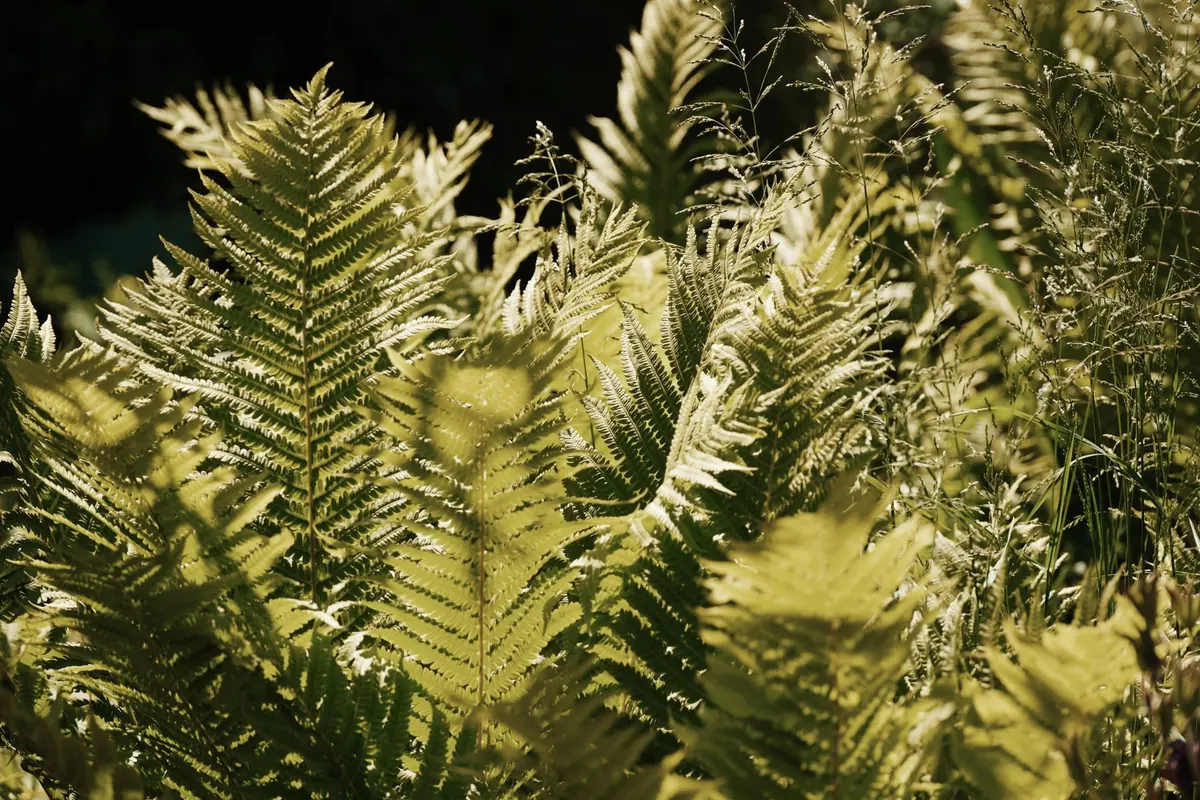
Dry shade and damp shade look identical on a garden plan. Both are simply marked "shade". At root level, though, they behave like two different climates. Plant a shuttlecock fern in the dusty strip under a beech hedge and it will sulk, brown at the edges and quietly shrink. Plant a holly fern in the boggy corner behind a downpipe and its roots will rot before the fronds ever look settled. Every fern below is reliably hardy in Britain. What separates them is how much moisture they want around their crowns and roots.
Get the match right and ferns are among the most rewarding plants in a British garden. A single crown of golden male fern, left undisturbed for a decade, will swell into a metre-wide fountain that looks good in February and better in July. Get it wrong and you will spend three summers watering, mulching and fretting over something that was never going to settle. The difference is rarely the fern. It is almost always the soil.
Shade is a measurement of light. Water is what decides whether a fern thrives or fades. Most dry shade in British gardens comes from two things: the rain shadow of a wall, hedge or building, and the thirst of mature trees and shrubs. Damp shade usually sits on heavy clay, at the bottom of a slope, under a dripping gutter, or on ground that never quite dries out after winter.
There is also a third, trickier condition: ground that is sodden from November to April and bone dry by August. That is not true damp shade, and most of the lush ferns sold for wet corners will struggle there. Spend ten minutes reading the soil before you buy anything.
Both problems can be improved with organic matter, but it is far easier to choose ferns that suit the spot you already have than to fight the spot you wish you had.
Dry shade is the tougher assignment. The ferns that manage it tend to have leathery or wiry, often evergreen fronds, thick rhizomes that store water, and a tolerance for root competition. They will still need help in their first summer, but after that they look after themselves.
This is where you can grow the lush, large-fronded ferns. Soil stays cool, so plants unfurl quickly in spring and hold their colour through summer, provided the ground does not dry out completely in a hot August.
A handful of species are genuinely flexible, and they are the sensible starting point if you are still unsure about a spot. Dryopteris filix-mas (male fern) is the most adaptable of all, growing in everything from dry shade to damp borders. Dryopteris erythrosora (Japanese shield fern) is semi-evergreen, with new fronds that emerge copper-pink in spring, and it takes both dryish and moist ground with equal calm. Dryopteris dilatata (broad buckler fern) leans towards the damp end but is unfussy enough to use as a gap-filler in most woodland planting. Polystichum setiferum bridges the two camps as well, which is one reason it appears on so many reliable plant lists.
If you remember only one thing about ferns, make it this: they fail from the crown down, not the frond up. Almost every dead fern in a British garden was buried too deep, drowned, or watered for a fortnight and then forgotten.
The same fern planted badly in the right place will still disappoint. A few habits make the difference between a plant that establishes and one that lingers.
Do not try to change the whole border, just the planting pocket. Fork in two or three buckets of leafmould or compost over a square metre, plant small ferns rather than large ones, and water them through their first August. Small plants settle faster than big ones in rooty ground, and they need less water to do it.
Damp is fine; waterlogged is not. If the test hole fills with water in winter, raise the planting area into a low mound, add grit and compost to the backfill, and stick to the ferns that expect wet feet, such as royal fern and sensitive fern. If your soil is limy, cross hard fern off the list. And if the ground dries out hard in August, treat it as dry shade with a wet winter – the evergreen shield ferns will cope far better than the painted fern will.
Choose for the soil you actually have, plant the crown at the right depth, and a shady British border will give you thirty years of fronds with almost nothing asked in return.
Photo: Cup of Honey Lemon / Pexels