Trending

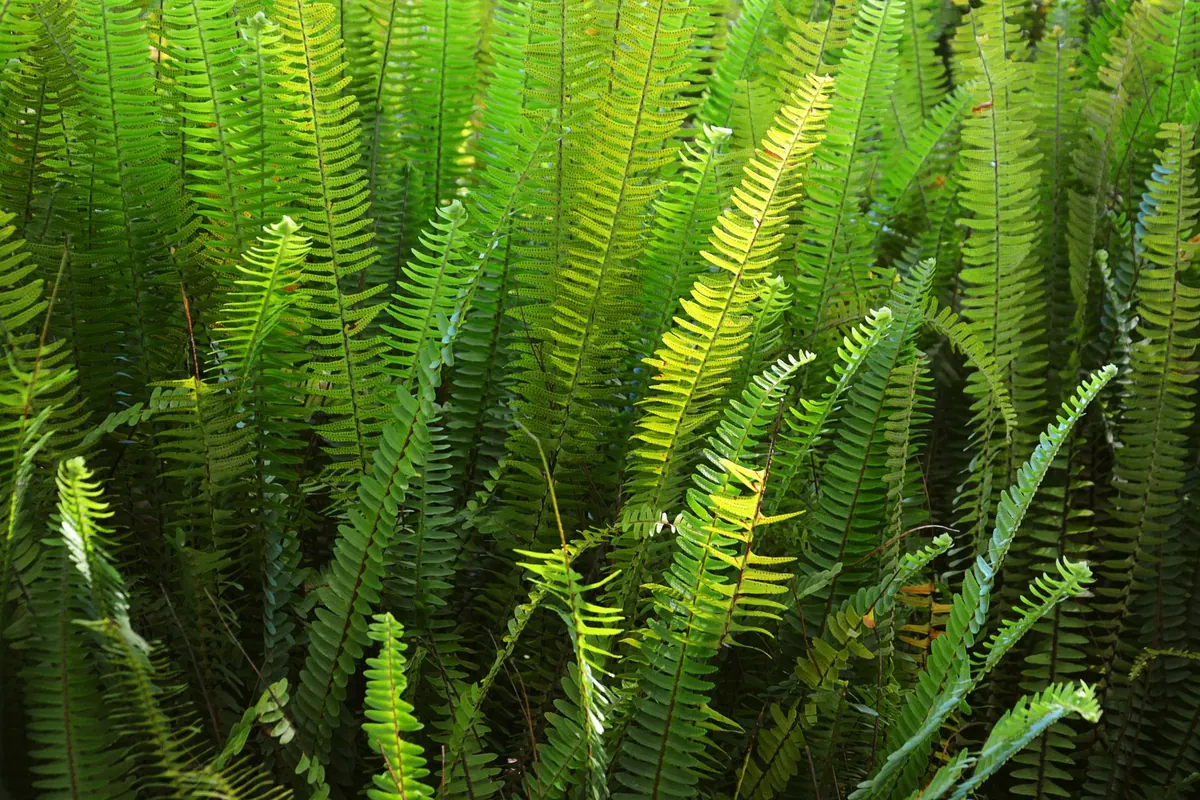
A fern is an excellent first houseplant if you want something that looks like it belongs on a rainforest floor rather than a supermarket shelf. The problem is the choice. Boston, maidenhair, bird's nest, button, blue star, staghorn — they share a name and almost nothing else, and the one you bring home will either settle in quietly or sulk for months depending on whether it suits your room.
Choosing well is less about picking the prettiest fronds and more about matching the plant to the light, humidity and attention your home can actually provide. Work through the four checks below and you will end up with a fern that grows rather than gradually browns.
Ferns are often described as shade plants, which is only half true. Most of the ones sold as houseplants grow under a canopy: bright, filtered light, never a beam of direct sun. In a British home that usually means a north-facing windowsill, an east window, or a spot a metre or two back from a south or west window.
Direct midday sun in summer will scorch fronds. The damage shows up as pale, papery patches and crisp brown edges, often within a few days. Deep shade is the opposite problem: the plant survives but produces few new fronds and stretches weakly towards the light.
There are exceptions worth knowing. Bird's nest ferns and blue star ferns manage in noticeably lower light than Boston or maidenhair ferns. If your only free spot is a dim corner, pick one of those two rather than fighting the conditions.
This is where most first ferns fail, and it has nothing to do with how much you water. Central heating in winter can drop indoor humidity to something closer to a desert than a forest, and ferns respond with dry, crinkled tips and fronds that never quite unfurl.
Cheap fixes that genuinely help:
Misting is popular but overrated. It lifts humidity for a few minutes and can leave hard-water spots on the fronds. Treat it as a small extra, not a solution.
Many true ferns — Boston ferns and bird's nest ferns among them — appear on the ASPCA's list of plants considered non-toxic to cats and dogs. That is reassuring, but not a free pass. A cat that chews through a whole frond may still be sick afterwards, and any plant can cause mild stomach upset in a determined pet.
Two things catch people out. First, the asparagus fern is not a fern at all, and it is toxic to pets; it is often sold on the same shelf. Second, a common name tells you very little. If your pet nibbles plants, look up the botanical name — the one in italics on the label — rather than the nickname, and ask your vet if you are unsure.
Be realistic rather than aspirational. Ferns divide fairly neatly into those that forgive a missed watering and those that do not.
Answer honestly and the shortlist practically writes itself.
Maidenhair ferns (Adiantum) are beautiful and widely sold, but they want steady humidity, compost that never quite dries and no draughts. They make a fine second fern, not a first one, unless your bathroom is bright and you are home most days. Staghorn ferns need mounting on a board or in a basket with a very open mix, which is a project rather than a purchase. And if you see asparagus fern for sale, remember it belongs to a different family altogether and needs different treatment.
Give the fern two weeks in one spot before you change anything. Water when the top centimetre or so of compost feels dry for most species, and keep it damper for Boston and maidenhair ferns. Empty any water that collects in the saucer within an hour.
Read the leaves. Crisp brown tips usually mean dry air. Yellowing lower fronds, or a sour smell from the compost, usually mean the roots are staying wet. New fronds emerging pale and tightly curled are a good sign — leave them alone, as they bruise easily. Feed lightly in spring and summer only, at half the strength suggested on the bottle, and stop entirely in winter.
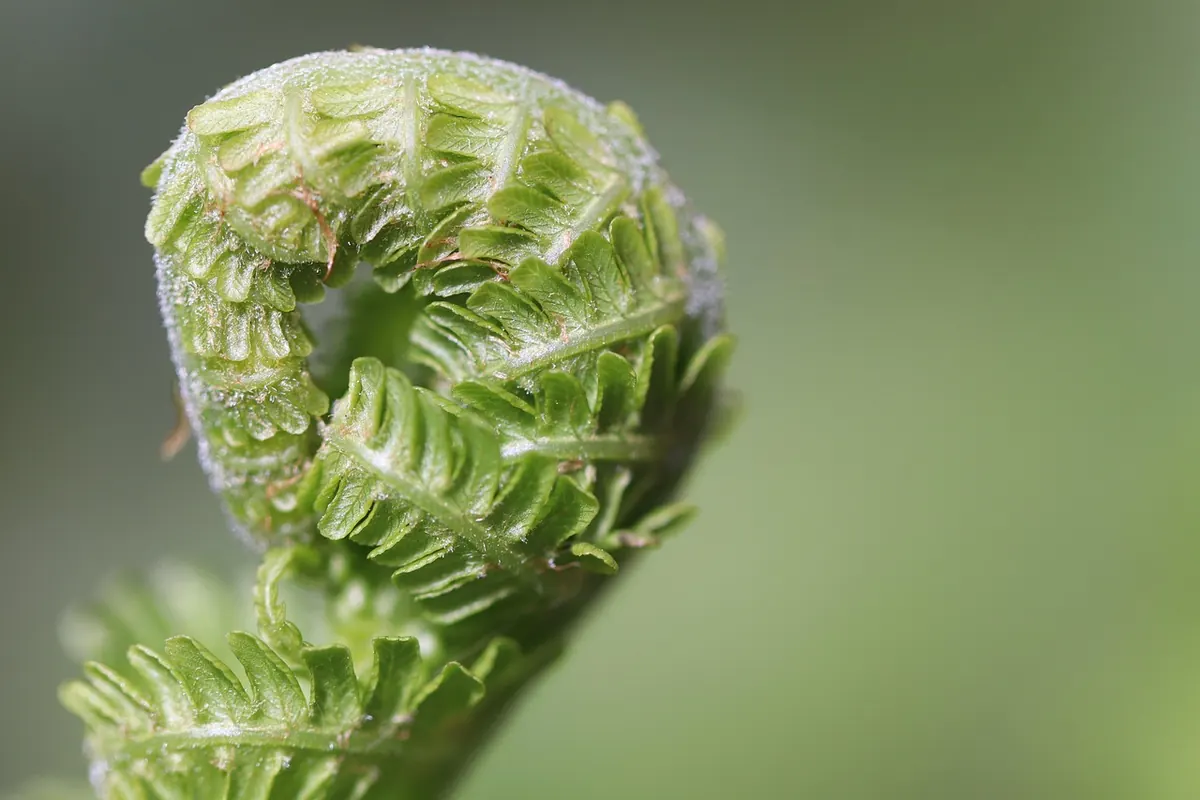
If the plant is happy, you will know within a couple of months: new croziers, the tight fiddleheads that unfurl into fronds, appear at the centre or along the rhizome. That is the real reward of growing ferns — a slow, steady unfolding rather than a burst of flowers. Pick one that suits your room and it will keep doing it for years.
Photo: Nennieinszweidrei / Pixabay