Trending

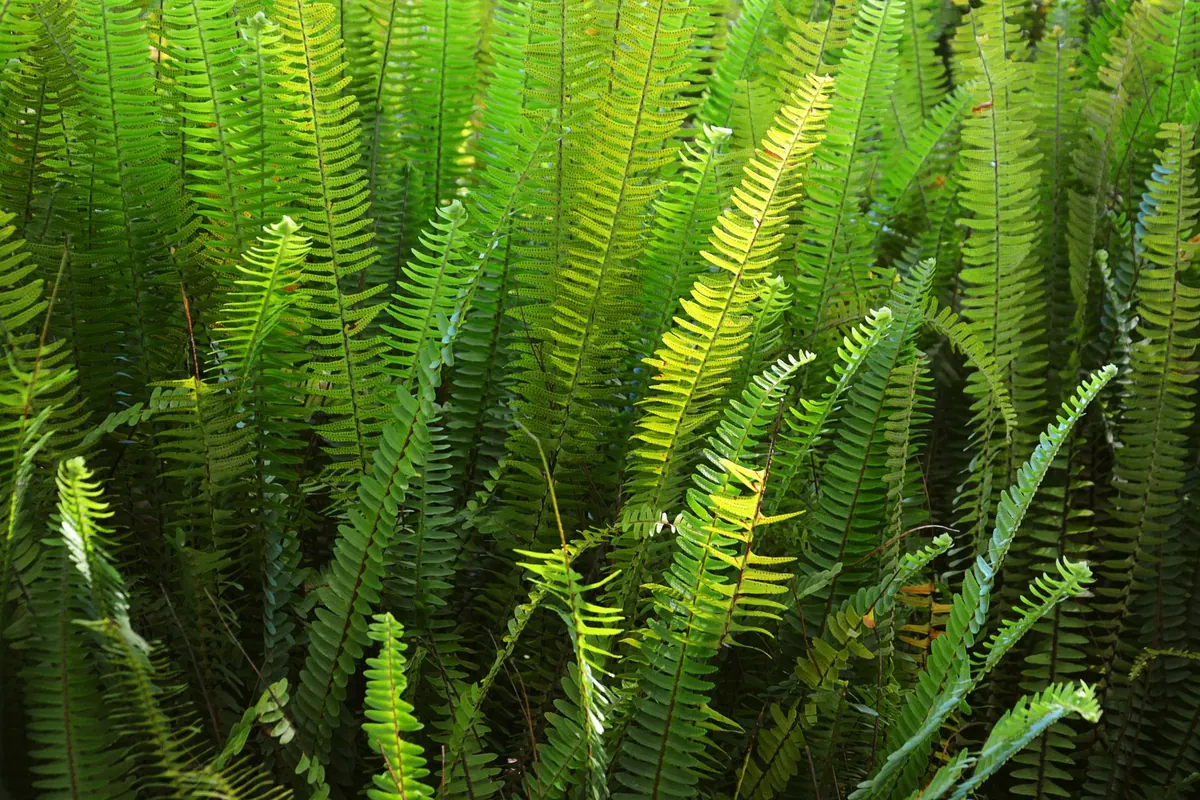
Ferns rarely shout about trouble. A frond that turns slightly dull, a crozier that unfurls a touch small, a leaf with a torn edge — none of it looks dramatic until the damage has been building for weeks. By the time a fern collapses, the pest responsible has often been feeding quietly for a month or more. The good news is that most UK fern pests are easy to catch early if you know where to look, and the treatments that work best are usually the gentlest.
Most infestations are found by eye, not by guessing from symptoms. Set aside five minutes twice a week in summer and once a week in winter, and check the same few places every time. New growth matters most, since soft, sap-rich tissue is where pests gather first.
Two tools make the job much quicker. Tapping a frond over a sheet of white paper shakes off tiny pests: if the specks start walking after a minute, you have mites or thrips; if nothing moves, it is compost dust. A torch after dark will catch vine weevil adults, which hide by day and feed at night.
Scale insects look less like insects than like small waxy domes stuck to the plant. On ferns they are usually one to three millimetres across, brown, grey or tan, and they cluster along the midrib and on the underside of fronds. Because they stay still, they are easy to mistake for a natural marking on the stem.
The waxy shell protects adults from most sprays, so start with your hands. Dab each insect with a cotton bud dipped in diluted isopropyl alcohol (surgical spirit), or scrape them off with a fingernail or blunt knife. Then treat the whole plant with a horticultural soap spray to catch the crawlers — the tiny, mobile young — which are far more vulnerable. Repeat every seven to ten days for three or four rounds, because eggs hatch over a period of weeks. Test a single frond first before treating the whole plant.
Aphids cluster on the softest growth, so they usually appear on croziers and the newest fronds. Indoors, the first flush of spring growth is the danger period, when sap is rising and there are few predators about. You may notice sticky leaves, white cast skins scattered around, or ants running up and down the pot — ants farm aphids for their honeydew and will defend them.
The fix is quick if you act on the first cluster. A firm jet of water knocks them off, a squish with finger and thumb deals with small numbers, and a soap spray handles the rest. Repeat every few days for a fortnight. Outdoors, ladybirds, hoverflies and lacewing larvae do most of the work for you, so avoid broad-spectrum sprays that would remove them. Aphids can also carry viruses from plant to plant, which is one more reason not to let a colony settle in.
Vine weevil is the one to take seriously. The adults notch the edges of fronds in neat semicircular bites, which is annoying but rarely fatal. The grubs are the real problem: fat, white, C-shaped larvae that live in the compost and eat the roots. A fern can look fine and then collapse within days, by which point most of the root system has gone.
Biological control is the most reliable option for pots. Water in vine weevil nematodes according to the pack instructions — they need moist compost and reasonable warmth, so spring and early autumn are the usual windows. If you find grubs while repotting, shake off as much old compost as you can and repot into fresh mix in a clean pot; bin the old compost rather than adding it to the heap. Adults can be picked off at night, and they will hide inside a roll of corrugated cardboard left on the surface of the pot, which you can then remove and dispose of.