Trending

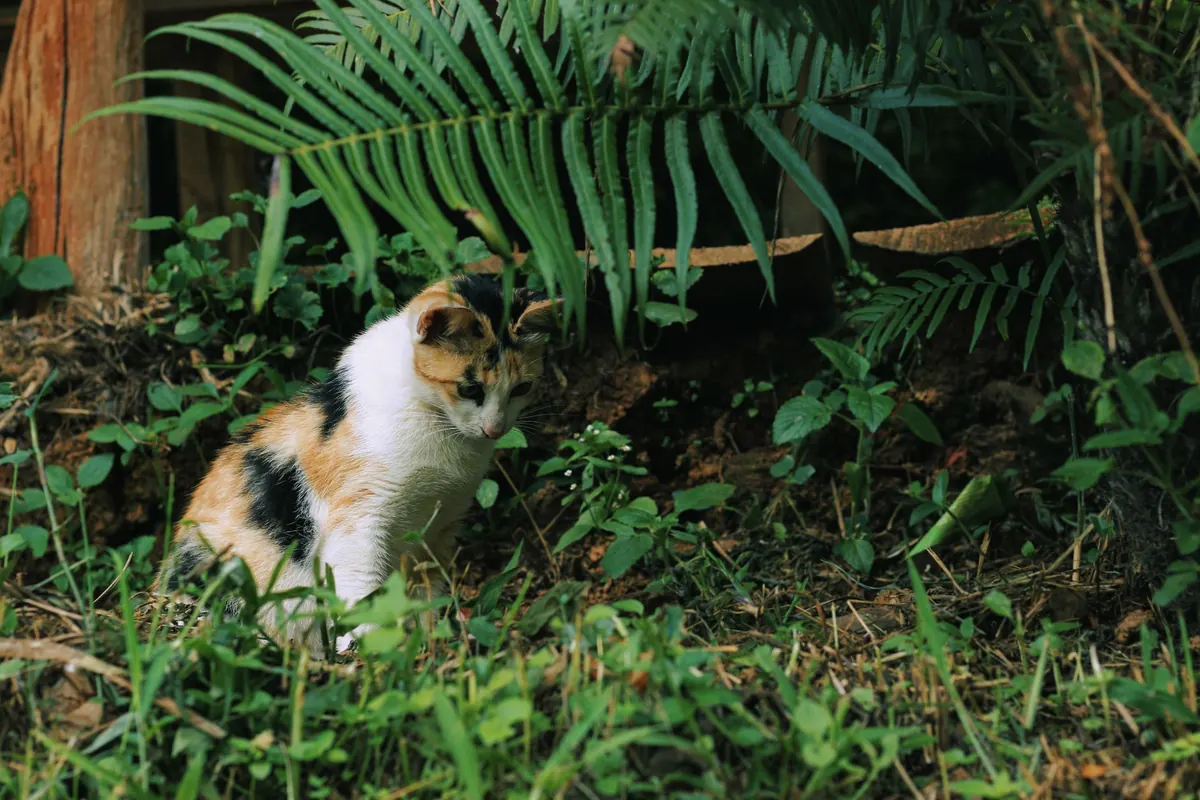
Ferns have a soft, old-fashioned charm that makes them feel like the safest plants in the house. They do not have thorns, they rarely look threatening, and most of them cope happily in a shady UK room. That reputation is mostly deserved, but it comes with a catch: not every plant sold as a fern is a true fern, and a few true ferns are genuinely risky for cats and dogs.
If your cat treats fronds like a salad bar, or your dog investigates every new pot with his nose and teeth, it pays to know which ferns can stay within reach and which should live behind glass, on a high shelf, or in a room the animals do not use unsupervised.
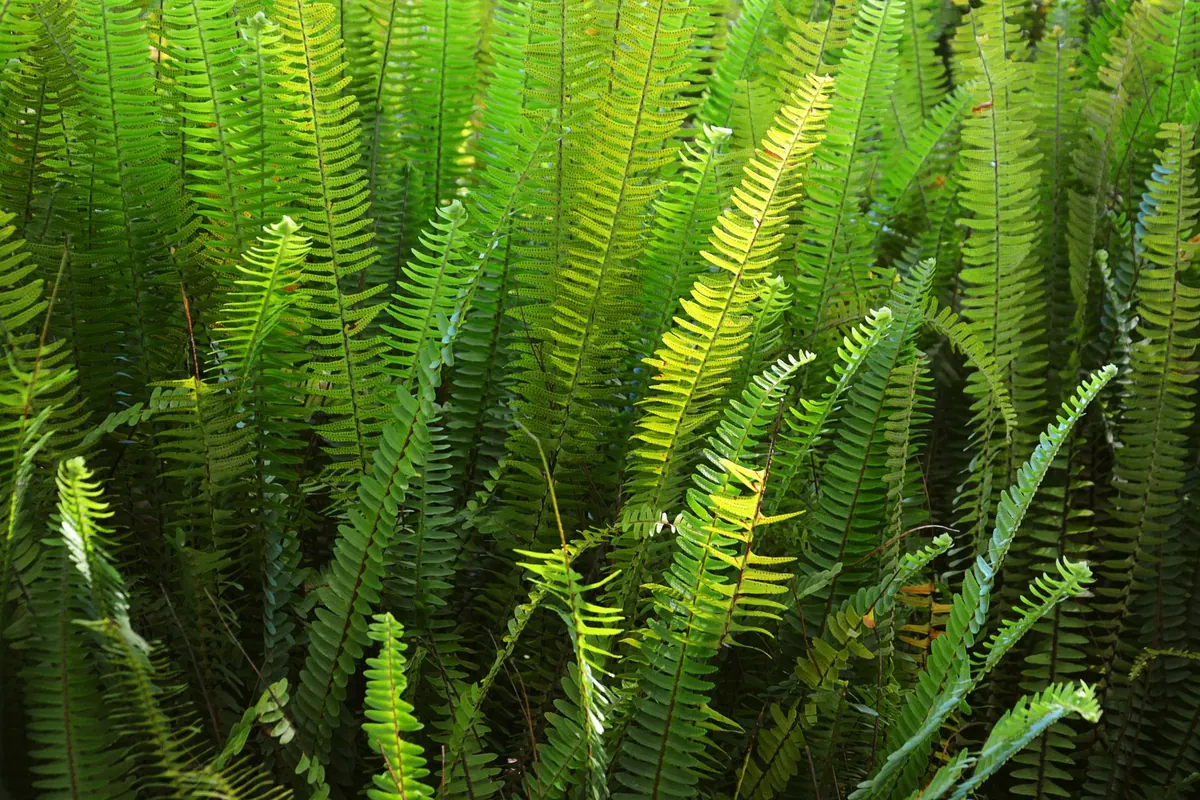
True ferns belong to a large group of plants that includes Boston fern, maidenhair fern, bird’s nest fern, staghorn fern, button fern and holly fern. Veterinary toxicology databases generally list these as non-toxic to cats and dogs. That is reassuring, but it does not mean they are edible.
A pet that chews a Boston fern may still drool, vomit or have loose stools simply because plant fibre is not part of a sensible diet. Some ferns also have fine hairs or scales that can irritate a mouth or stomach. The practical message is simple: safe ferns can live in pet-accessible rooms, but if your animal is a determined chewer, keep an eye on how much is disappearing.
The biggest confusion in UK homes comes from plants that look fern-like but are not true ferns at all.
If the label says Asparagus or Cycas, it does not belong on the floor beside a pet bed.
Two true ferns deserve a warning. Bracken (Pteridium aquilinum) is common across UK heaths, moorland and woodland edges. It contains compounds that can make animals ill, and repeated chewing can lead to thiamine deficiency and neurological signs. Dogs off the lead may nibble it out of curiosity, especially young dogs who mouth everything.
Male fern (Dryopteris filix-mas) contains filicin and has been used historically as a worm treatment, but it can cause poisoning if eaten in quantity. It is not a reason to panic about every garden fern, but it is a reason not to let pets chew wild or ornamental specimens.
Most garden-centre ferns, such as Japanese painted fern, autumn fern and soft shield fern, are considered low risk. The greater danger is bracken in the wild or in a neglected corner. If your dog grazes on walks, keep him away from dense bracken patches, and if you cut fronds for decoration, keep them out of reach and wash your hands afterwards.
Mild plant chewing often causes nothing more than a messy mouth and a grumpy owner. But some signs mean you should call your vet promptly:
If you suspect your pet has eaten a toxic plant, do not wait for symptoms to become obvious and do not try to make your pet vomit. Move the plant out of reach, take a photo of it or note its name, and phone your vet. Tell them what you think was eaten, roughly how much, and when. If the plant is unknown, bring a sample or a clear photo. Your vet may refer you to a pet poison service.
For skin contact with asparagus fern, wash the area gently with lukewarm water and a mild pet-safe soap, then prevent your pet from licking it. If the skin is sore or the pet seems unwell, call the vet.
Good placement solves most fern-versus-pet problems without giving up greenery.
Outdoors, keep asparagus fern and sago palm out of reach or out of the garden. If you already have a sago palm, fence it off or rehome it. On walks, keep dogs away from bracken, especially in late summer when fronds are dense and tempting.
If your cat or dog has eaten any plant and you are unsure what it was, phone your vet. Take a photo, note the time and keep the plant label if you have it. Do not wait for symptoms, and do not rely on internet searches when an animal is already unwell. This guide is general information, not veterinary advice. Your vet knows your pet’s history and can give the right advice for your situation.
Photo: Bùi Hoàng Long / Pexels